
The Game Changed: India Paid the “Empire Tax” to Stay in the Fight
On November 07, 2025, I asked a simple question: who will blink first in the standoff between a protectionist America and a resilient India? I reasoned that India’s massive domestic market (its “backpack") would allow it to outlast US pressure and force a stalemate.
Exactly three months later, the game has ended. And looking at this week’s US-India Joint Statement, the answer to “who blinked” is unequivocally clear: They both did, but the US decided the price. My original analysis got the politics right; India did not fold on its core red lines. But it seems that I underestimated the ruthless weight of global power. The “backpack” allowed India to survive the siege, but it couldn’t break the blockade.
Let’s dive into the unvarnished truth about the deal, why India signed it, and why the possible “coexistence” of Russian S-400s and American Predator drones in India’s arsenal is the most important geopolitical signal of the decade.
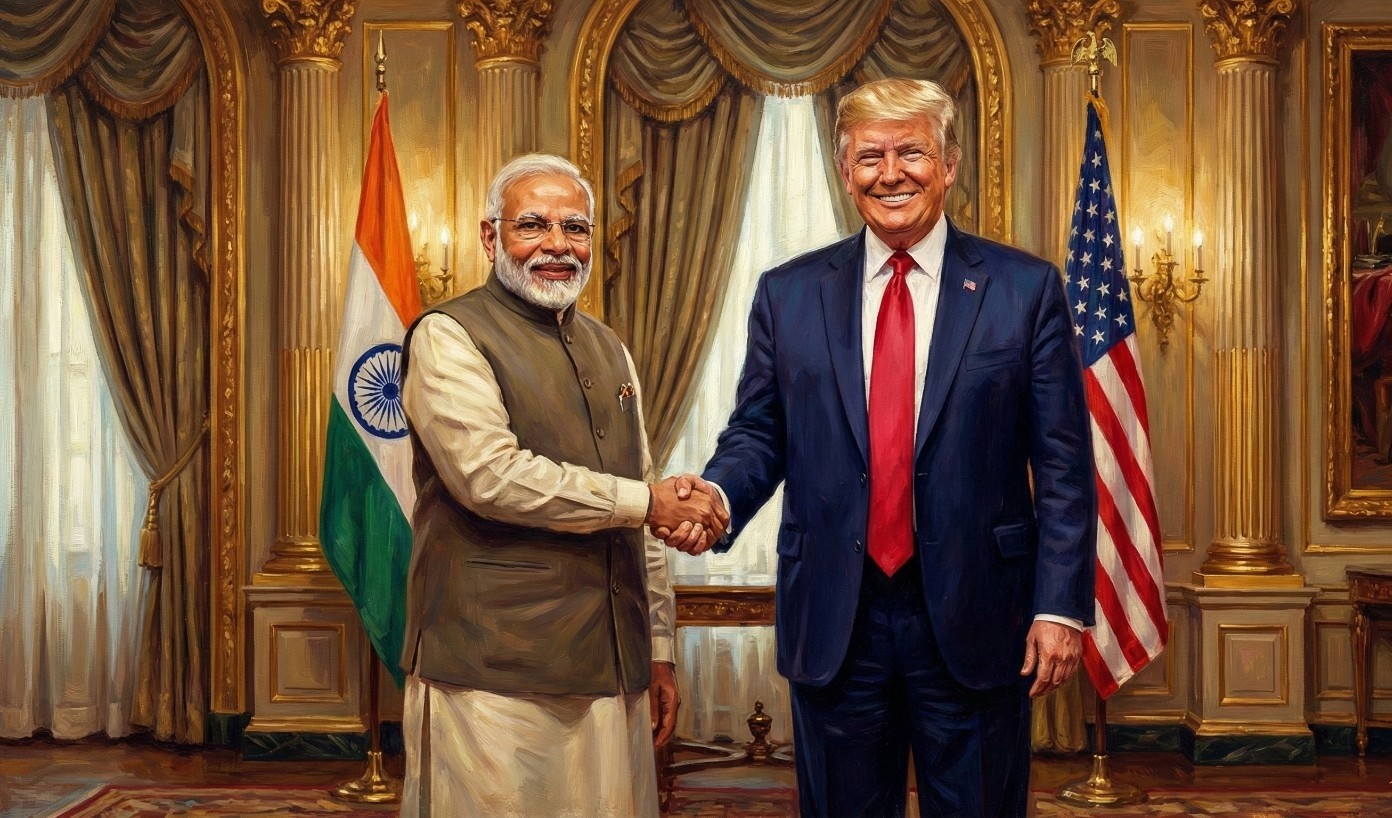
The “Backpack” Held - But it was too Heavy to hold for Long
India endured nine months of punitive 50% tariffs without the economic collapse many predicted. That resilience gave Prime Minister Modi the stamina to protect India’s agriculture sector. India’s farmers face zero new US competition in dairy or agriculture under this deal. But endurance is not leverage. We must be grounded in the numbers: The US is a $ 31.8 trillion economy; India is only a $ 4.5 trillion rising power. That seven times asymmetry is huge. The US could afford to lose the Indian market; India’s bleeding export sectors, its textiles, gems, and chemicals, could not afford to lose America.
The Price Tag: The “Empire Tax”
If we look strictly at the ledger, India lost ground. India went from single digit tariffs in early 2025 to a permanent 18% tariff wall today. Furthermore, the commitment to purchase $ 500 billion in US goods over five years, which effectively doubles its imports, is a massive, forced transfer of wealth. This is something we can call the “Empire Tax.” It is nothing but the premium a rising power pays to an established hegemon to maintain access to its system.
However, in the protectionist landscape of 2026, this tax is actually a discount. China faces tariffs of over 34%. Competitors like Vietnam and Bangladesh are grappling with 20%. By negotiating down to 18%, India secured a “VIP Tier”, paying more than US treaty allies like the UK (10%), but significantly less than its rivals and other countries in the Global South. In effect, India bought the best house in a bad neighbourhood.
The Core of India’s Strategic Autonomy
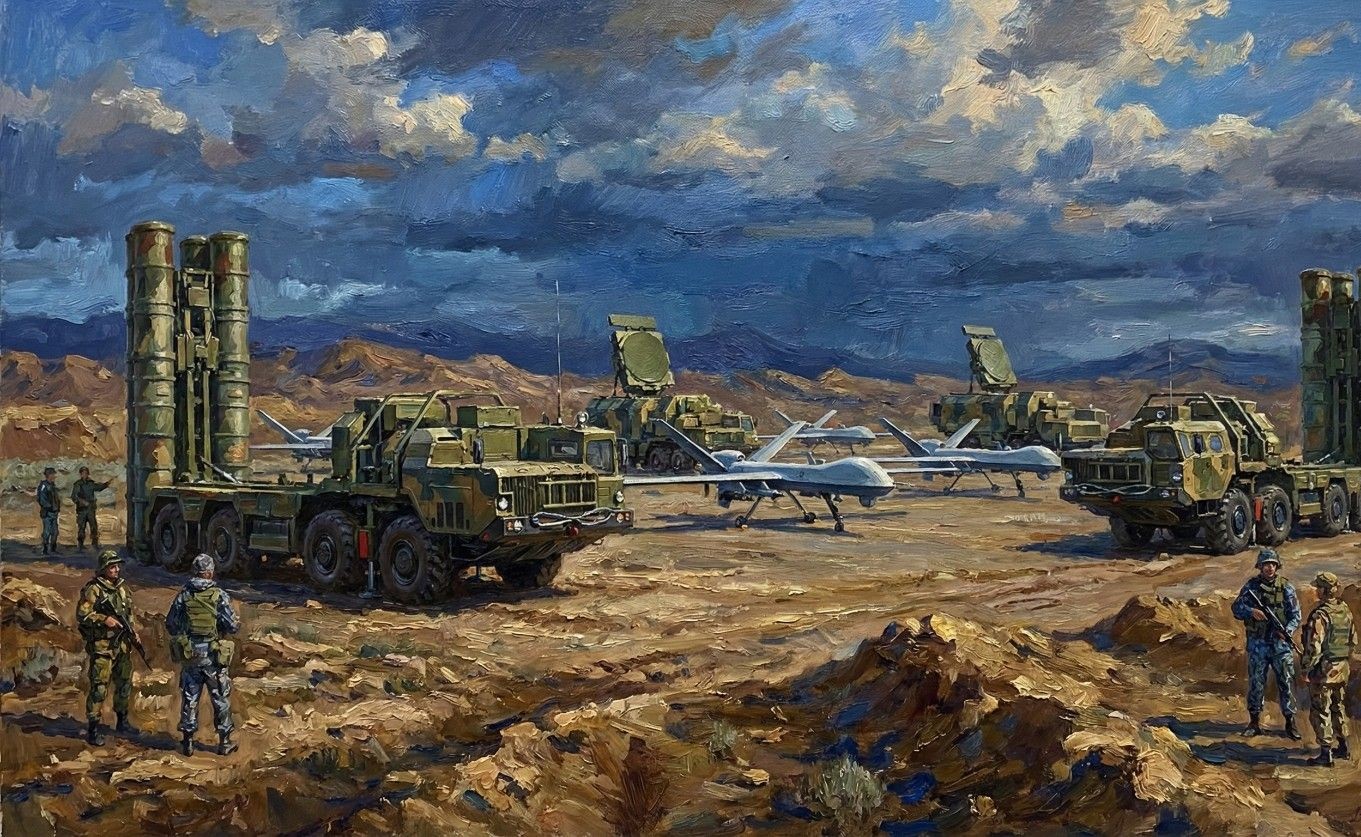
The most significant victory for India in this deal isn’t economic; it’s strategic. For years, Washington warned that the S-400 Triumf was a “red line”that would trigger CAATSA sanctions and block access to high-tech US weaponry. Those threats seems to have evaporated.
As of today, India operates three operational S-400 regiments. These aren’t just parade pieces; they were battle-tested during Operation Sindoor in May 2025, where they were instrumental in neutralizing incoming aerial threats from Pakistan. Despite this combat deployment of Russian tech, the US has proceeded with the delivery of the $ 4 billion MQ-9B Predator drone deal, which was signed in October 2024. This means that the US is willing to give its most advanced surveillance drones to a military that uses Russian S-400 radars to guard them.
A decade ago, in a unipolar world, this “coexistence” would have been impossible. The US would demand India scrap the Russian shield to buy the American sword. In the multipolar reality of 2026, the US blinked. They need India as a counterweight to China so badly that they have implicitly waived CAATSA. India is buying American peace without selling its Russian insurance. By choosing the French Rafale over the American F-21 and keeping the Russian S-400 alongside American Predators, India has proven it is not a “US Ally.”It is a sovereign pole that picks the best tool for the job, regardless of the flag on the box.
The Geopolitical Pivot: The “Sanctuary Strategy”
Why did India pay the $500 billion “Empire Tax” if it kept its autonomy? Because the world outside the US tent has become too dangerous to navigate alone. On its western flank, the security pact between a nuclear-armed Pakistan and the Saudi capital (the “SMDA” signed late 2025) has created a new, well-funded threat. To the east, China’s 2025 mineral squeeze threatened to starve India’s industrial ambitions.
The $ 500 billion purchase is an insurance premium. It buys US neutrality in South Asia and secures India’s entry into the US-led FORGE (Critical Minerals) alliance. India accepted the economic pain of tariffs to secure the existential supply of critical minerals and a US neutrality that checks the Pakistan-China axis.
Brutal Lessons for a Broken World
The conclusion of this trade war is not just an Indian story; it is a case study for every middle power, from Brazil to Indonesia, navigating the post 2026 order. Here are the key takeaways that can define the next decade.
Gravity Rules: You cannot outleverage an economy that is several times your own. India played its hand perfectly with diversification and resilience, but still had to pay the premium. Therefore, strategic autonomy comes at a price. If you want to say “No” to a Superpower’s political demands (like banning Russia), you must be prepared to say “Yes” to its economic demands.
The Rise of Tiers: The binary world of “Friend vs. Foe” is dead. We now live in a subscription model. Tier 1 (premium) – Treaty Allies, Low tariffs, but zero foreign policy autonomy. Tier 2 (standard) – Strategic Partners, Higher tariffs, but you keep your sovereignty. Tier 3 (free) – Rivals, Punitive tariffs. So the lesson is don’t strive to be an Ally. Strive to afford the Tier 2 subscription.
Non-Alignment is Dead: India joined the US-led FORGE alliance for minerals while being part of BRICS. Old Non-Alignment meant staying out of blocs. New Multi-Alignment means joining every bunker. If you try to stay purely neutral today, you will be starved of resources. You may join the US bunker for tech and the Russian/BRICS bunker for energy and defence.
Supply Chains are Weapons, Not Logistics: China’s mineral squeeze forced India’s hand. Economic efficiency is dead. For decades, we bought from the cheapest supplier. Now, we must buy from the safest supplier, even if it costs 18% more.
There is a “Too Big to Fail” Exception: Turkey bought Russian S-400s and got sanctioned. India bought S-400s and got a trade deal plus Preadator drones. International Law is now explicitly tiered based on market size. Small nations should follow rules; Giant nations can write exceptions. The goal for every developing nation must be to grow fast enough to become “Too Big to Sanction.”
The Verdict
Did India win “The Game”?
If winning means free trade and total independence, India lost. The 18% tariff is a permanent drag, and the forced purchases are a bitter pill. But if winning means survival against an opponent seven times your size and keeping sovereignty, then India pulled off a masterful defensive play. India paid a steep price to enter the US strategic fortress while the rest of the world faces a storm. India secured its borders, protected its farmers, and forced the American empire to live with its strategic autonomy.
India didn’t and couldn’t defeat the US. India just negotiated the terms of their coexistence with the US. And given that this was a David vs. Goliath situation, I am inclined to see it as a victory.

Arjun
Please feel free to leave your comments and suggestions...






Leave a Reply
Your email address will not be published. Required fields are marked *
Comments (0)